
The Buzz About ElectroAcupuncture
Imagine combining thousands of years of traditional Chinese medicine with the precision of modern electrical technology. That's exactly what electroacupuncture does — and it's rapidly becoming one of the most talked-about therapies in integrative health circles. Whether you're dealing with chronic pain, stress, or simply looking to optimize your well-being, electroacupuncture might just be the treatment your body has been waiting for.
What Exactly Is ElectroAcupuncture?
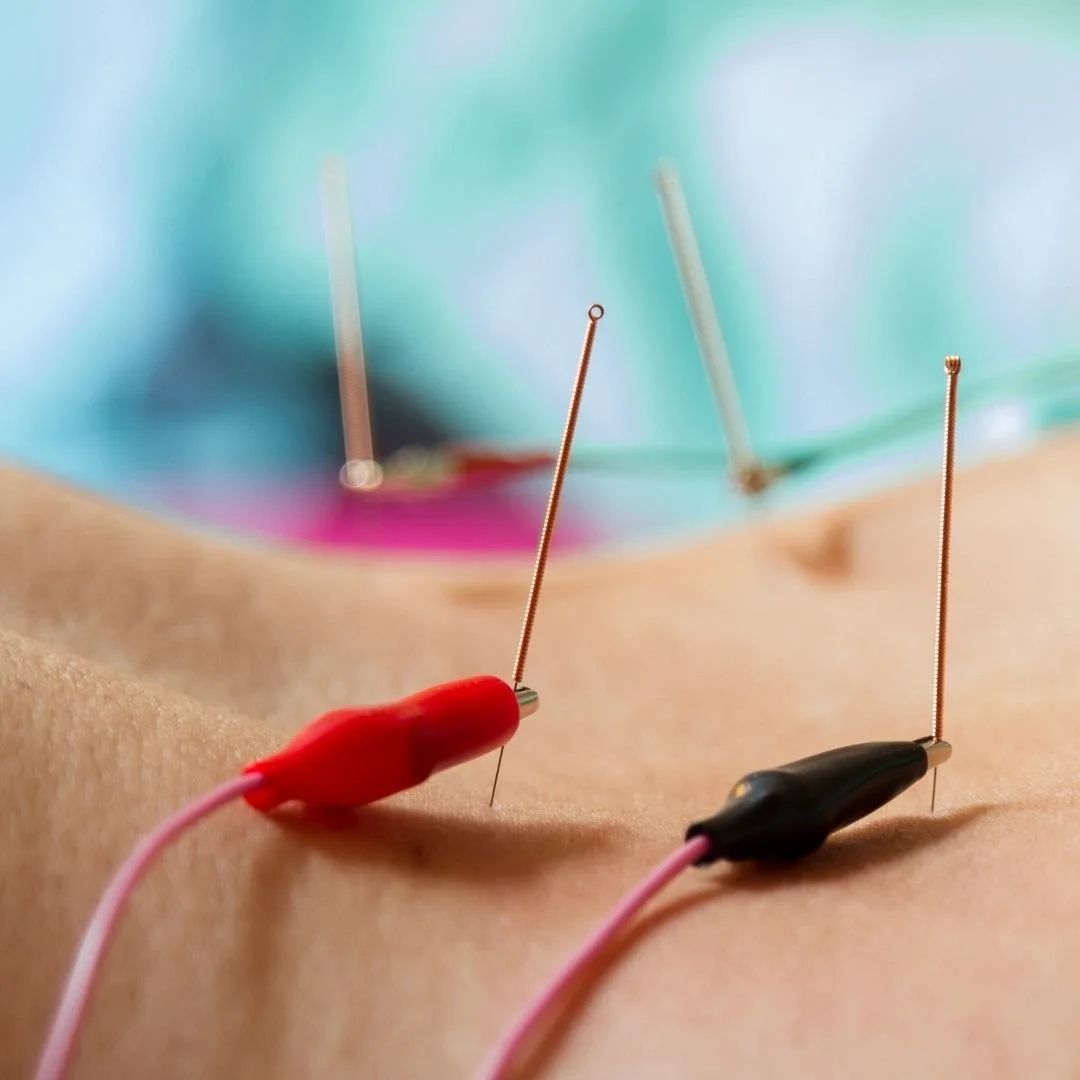
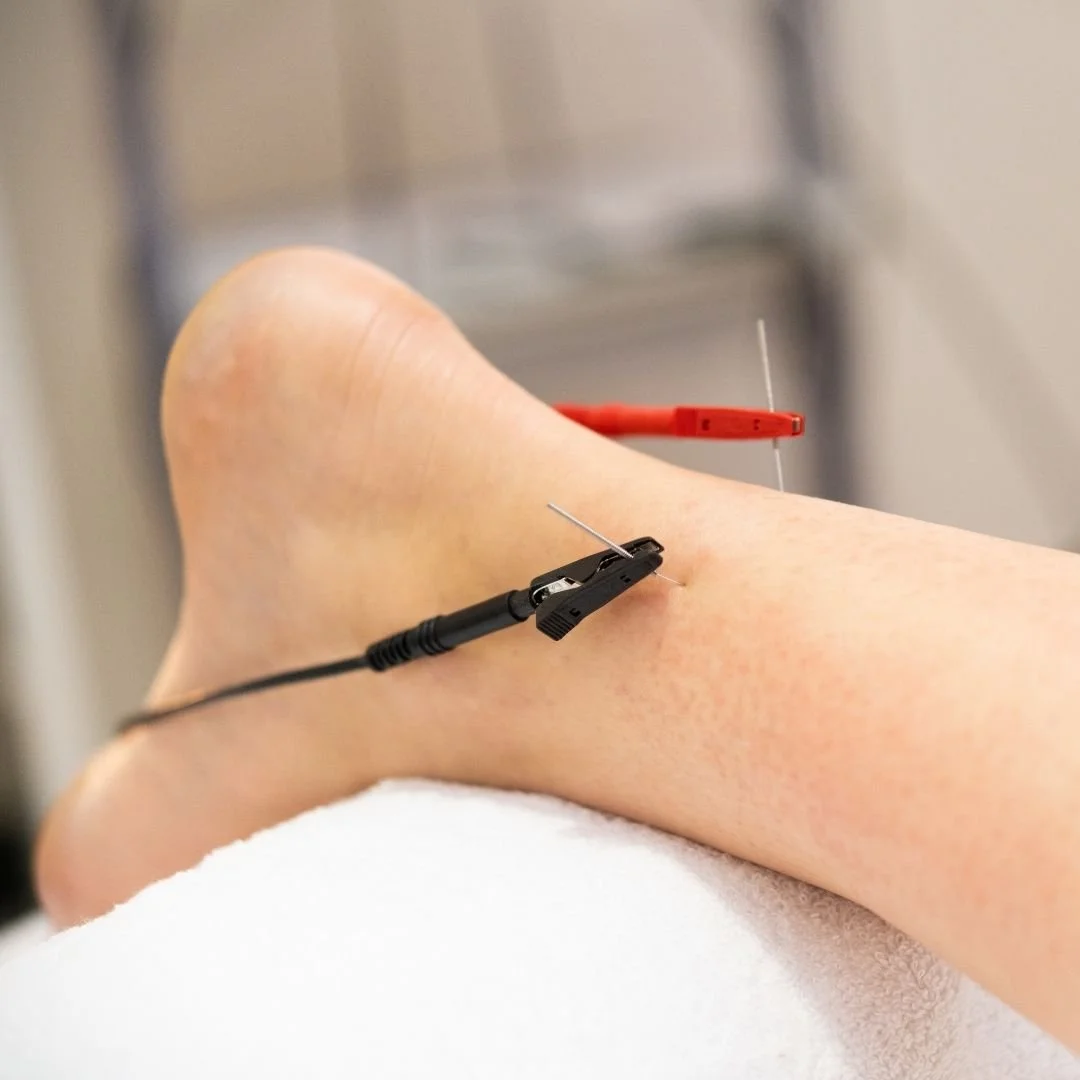
Electroacupuncture (EA) is a modern evolution of traditional acupuncture — one that amplifies the therapeutic effects by adding a gentle, low-level electrical current to the equation. Like its ancient predecessor, it involves inserting fine, sterile needles into specific points along the body's energy pathways, known as meridians. But here's the twist: once the needles are in place, they're connected to a small device that delivers a controlled electric pulse between pairs of needles.
The frequency and intensity of the current can be adjusted to suit the individual's needs — making it a highly customizable therapy. Most patients describe the sensation as a mild, rhythmic tingling or buzzing, hardly uncomfortable, and often deeply relaxing.
A Brief History: From Needles to Electrodes
Traditional acupuncture has been practiced in China for over 2,500 years, rooted in the belief that health depends on the balanced flow of life energy — or "qi" — through the body. When this flow is disrupted, illness and pain follow. Acupuncture works by stimulating specific points to restore that balance.
Electroacupuncture emerged in China in the 1930s and 40s, as practitioners began exploring how electrical stimulation could enhance the effects of needle therapy. By the 1970s and 80s, it had gained significant traction in Western research communities, particularly as studies began revealing measurable physiological effects — from endorphin release to nerve stimulation — that helped bridge the gap between Eastern tradition and Western science.
The Science Behind the Spark
So what's actually happening when those electrodes start humming? Research suggests several important mechanisms at work:
Endorphin Release: The electrical stimulation triggers the release of endorphins and other naturally occurring pain-relieving chemicals. This is thought to be a major reason why many patients experience significant and lasting relief from chronic pain conditions.
Nerve Stimulation: The current activates sensory nerve fibers, helping to modulate pain signals before they reach the brain — essentially dialing down the body's pain alarm system.
Reduced Inflammation: Studies have shown that electroacupuncture can reduce pro-inflammatory markers in the body, offering relief for conditions driven by chronic inflammation.
Muscle Relaxation: By directly stimulating muscle tissue, EA can relieve spasms and tension more effectively than manual needle techniques alone.
Top Benefits of ElectroAcupuncture
Powerful Pain Management
Perhaps the most well-documented benefit of electroacupuncture is its ability to combat pain. From lower back pain and osteoarthritis to fibromyalgia and migraine headaches, EA has shown promising results in clinical studies. Many patients report that it provides relief where medications and conventional therapies have fallen short — and without the side effects.
Stress, Anxiety & Mental Well-Being
In today's hyper-connected, high-stress world, mental health support is more important than ever. Electroacupuncture has been found to influence the body's stress response by regulating cortisol levels and activating the parasympathetic nervous system — the "rest and digest" counterpart to the fight-or-flight response. Many patients leave sessions feeling profoundly calm and centered. Emerging research also points to its potential in supporting treatment for anxiety disorders and depression as a complementary approach.
Neurological Rehabilitation
Electroacupuncture is increasingly being explored in neurological rehabilitation settings. Research suggests it may support recovery after stroke by promoting neuroplasticity — the brain's ability to reorganize itself. It's also being studied for conditions like Parkinson's disease and peripheral neuropathy, where nerve damage causes pain, numbness, or weakness.
Digestive Health & Hormonal Balance
The gut-brain connection is a hot topic in modern medicine, and electroacupuncture fits right in. Treatments targeting specific meridian points have shown benefits for irritable bowel syndrome (IBS), nausea, and other digestive complaints. On the hormonal front, EA has demonstrated an ability to regulate estrogen, FSH, and other key reproductive hormones, supporting conditions like polycystic ovarian syndrome (PCOS) and general hormonal imbalance.
Fertility Support & IVF Enhancement
For couples navigating the emotional and physical demands of fertility treatment, electroacupuncture is emerging as a powerful ally. Research published in Medical Acupuncture (2019) by Kusuma et al. conducted a randomized controlled trial involving women in an IVF program and found that those who received electroacupuncture had a significantly higher oocyte maturation index. The study also found that EA reduced granulosa-cell apoptosis, the very process that can compromise egg quality and lower fertilization rates. Importantly, EA was shown to positively influence levels of growth-differentiation factor 9 (GDF9) and bone morphogenetic protein 15 (BMP15), two key proteins involved in oocyte development and follicle health.
The benefits don't stop at egg quality. Research has shown that electroacupuncture can increase blood and embryo levels of HLA-G, a protein directly linked to higher pregnancy and live birth rates. Researchers noted that both pregnancy outcomes and pregnancy rates were improved when electroacupuncture was incorporated into IVF protocols. The proposed mechanisms are compelling: EA is thought to enhance uterine blood flow by reducing sympathetic nerve activity, regulate key reproductive hormones, and create a more receptive endometrial environment for embryo implantation. Many fertility clinics are now integrating EA as a complementary protocol, and patient interest continues to grow — with surveys suggesting that anywhere from 8% to nearly half of couples undergoing IVF now incorporate some form of acupuncture into their cycle.
What to Expect During a Session
A typical electroacupuncture session lasts between 30 to 60 minutes. After a brief consultation, your practitioner will insert ultra-fine needles at targeted points, then attach small electrode clips to the needle handles. The device is turned on and adjusted to a comfortable level — you'll feel a gentle pulsing sensation, but no pain. Most people find the experience deeply relaxing, and some even drift off to sleep.
For best results, a series of sessions is usually recommended — typically 6 to 12, depending on the condition being treated. Effects can be cumulative, meaning each session builds on the last.
Is ElectroAcupuncture Right for You?
Electroacupuncture is considered safe for most healthy adults when performed by a licensed and trained practitioner. However, it is generally not recommended for people with pacemakers or other implanted electrical devices, those who are pregnant (particularly in certain areas of the body), individuals with epilepsy, or those with certain skin conditions at the needle sites.
As with any health treatment, it's important to consult with your primary healthcare provider before beginning electroacupuncture — especially if you're managing a serious medical condition or currently undergoing other treatments.
PENS vs. TENS: What’s the Difference?
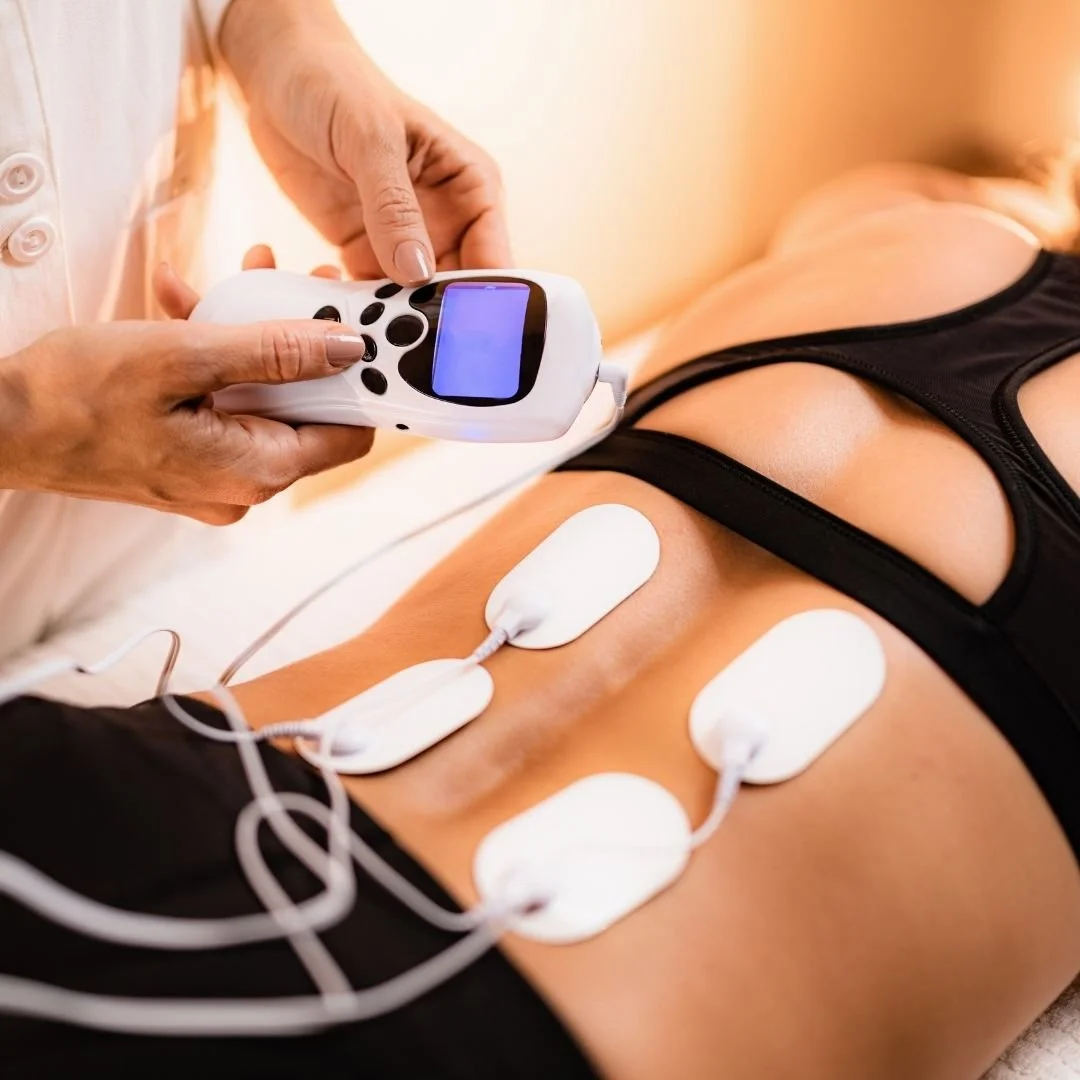
If you’ve ever used a TENS (Transcutaneous Electrical Nerve Stimulation) unit at home — those stick-on pads attached to a small device — you might be wondering how it compares to electroacupuncture, which is more formally known as PENS (Percutaneous Electrical Nerve Stimulation). They both use electrical current for pain relief, but the similarities largely stop there.
Depth of Stimulation: TENS electrodes sit on the surface of the skin, delivering current through the outer layers to superficial nerve endings. PENS/EA, by contrast, delivers current via needles inserted directly into the tissue — reaching muscles, tendons, and the precise nerve structures at acupuncture points. This deeper access is a key reason EA tends to produce more targeted and lasting therapeutic effects.
Precision & Targeting: TENS units broadly stimulate the surface area under the pad and are primarily used for localized pain relief through sensory nerve blockade. PENS/EA allows a trained practitioner to target specific acupuncture points and meridian pathways with far greater anatomical precision, making it effective for a much wider range of systemic conditions — from fertility and anxiety to neurological rehabilitation.
Mechanism of Action: TENS works mainly by disrupting pain signals at the spinal cord level (the “gate control” theory) and providing short-term relief during and just after use. EA operates through a broader set of mechanisms — including endorphin release, reduction of inflammation, hormonal modulation, and promotion of nerve regeneration — with effects that can accumulate and persist well beyond the treatment itself.
Clinical Setting: TENS devices are widely available over the counter and are designed for self-administered home use. PENS/EA, on the other hand, must be performed by a licensed acupuncturist or trained medical professional due to the use of needles. While TENS is a convenient tool for temporary symptom management, EA is a clinical therapy with a growing evidence base for treating complex, chronic, and systemic health conditions.
In short, think of TENS as a useful over-the-counter pain management tool, and EA/PENS as a precision-guided clinical therapy. Both have their place — but they are not the same, and for those seeking deeper, longer-lasting, and more wide-ranging benefits, electroacupuncture offers something a surface electrode simply cannot.
The Bottom Line
Electroacupuncture stands at a fascinating crossroads between ancient healing traditions and modern biomedical science. Its growing body of research, combined with the anecdotal reports of countless patients who have found relief and renewed vitality, makes it one of the most compelling options in integrative medicine today.
Whether you're a long-time advocate of alternative medicine or a curious newcomer, electroacupuncture offers a unique opportunity to experience the best of both worlds — the time-tested wisdom of acupuncture, supercharged with the precision of modern science. It just might be the electric spark your health journey needs.
⚡ Always seek treatment from a licensed acupuncturist or healthcare professional trained in electroacupuncture techniques.