
Train Hard, Recover Smarter: How TCM Gives Athletes an Edge
You push your body to its limits in training. You log the miles, hit the lifts, grind through conditioning work, and compete under pressure. But how much thought are you putting into what happens after the whistle blows or the barbell hits the floor? Recovery isn't just rest — it's active, intentional, and increasingly, it's the competitive edge that separates athletes who stay healthy and perform consistently from those who spend seasons fighting injuries.
Traditional Chinese Medicine (TCM) has been refined over 2,500 years specifically for the demands of physical performance and injury recovery. It's not a wellness trend or a spa luxury — it's a clinical toolkit that professional sports teams, Olympic programs, and elite training centers around the world have integrated into their recovery protocols. From targeted needling and electrical stimulation to manual bodywork and herbal liniments, TCM offers athletes solutions that work with the body's natural healing mechanisms, not just around them.
Here's what you need to know.
What Is Sports Acupuncture?
Sports acupuncture sits at the intersection of two powerful medical systems: Traditional Chinese Medicine and modern sports medicine. Rather than applying TCM in isolation or limiting acupuncture to pain relief alone, sports acupuncture practitioners synthesize classical TCM theory with contemporary orthopedic assessment, functional anatomy, and rehabilitation principles to create a uniquely comprehensive approach to treating athletic injuries.
It's worth understanding what this synthesis actually looks like in practice — because it goes much deeper than simply needling a sore muscle.
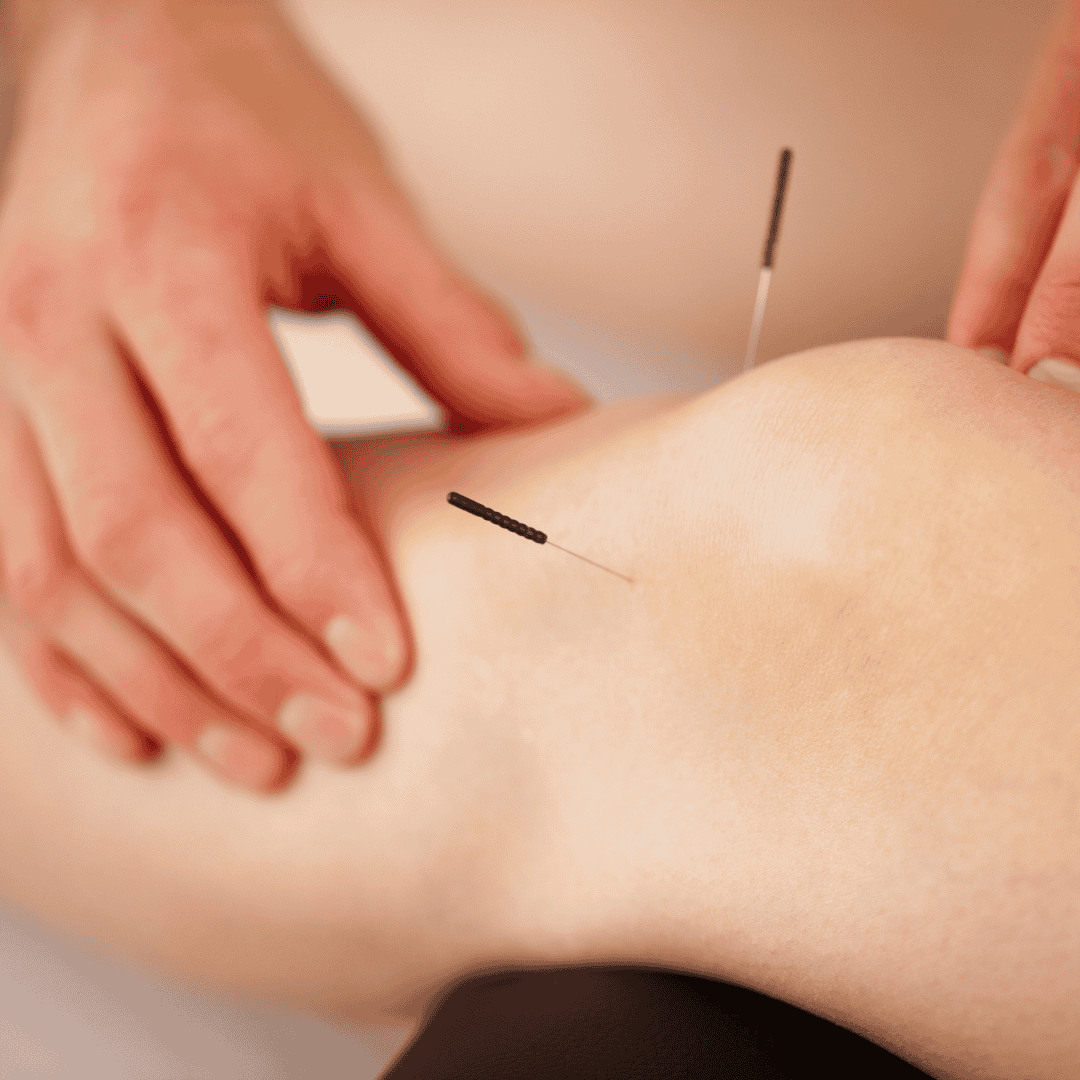
In TCM, acupuncture has always addressed pain and injury by removing obstructions from the channels and treating the underlying imbalances that prevent healing. What sports acupuncture adds to that foundation is the diagnostic precision of Western sports medicine: orthopedic evaluations, manual muscle testing, range of motion assessment, postural analysis, and a detailed understanding of functional anatomy. A practitioner trained in sports acupuncture doesn't just locate where it hurts — they identify the specific tissues involved, the biomechanical factors contributing to the injury, the postural imbalances loading the affected structure, and the TCM channel relationships that govern that region of the body. That level of assessment is what separates a targeted, effective treatment plan from educated guesswork.
One of the foundational principles emphasized by leaders in the field — including practitioners certified through advanced post-graduate programs in Sports Medicine Acupuncture — is that athletes should never be treated as a collection of localized injuries. A shoulder problem in a throwing athlete, for example, may involve sinew channel pathology, a Heart and Small Intestine channel imbalance, underlying postural dysfunction from the thoracic spine, and a broader constitutional pattern that's compromising tissue repair. A sports acupuncture practitioner trained to work across both frameworks can identify and address all of those layers simultaneously.
One of TCM's particular strengths in this context is its ability to balance the parasympathetic and sympathetic nervous systems, which directly supports the body's capacity to manage inflammation and recover from physical stress. For athletes who are chronically under-recovered, overtrained, or stuck in a sympathetically dominant state, this nervous system regulation can be a critical — and often overlooked — component of getting healthy and staying that way.
The practical treatment principles sports acupuncture addresses read like a performance athlete's recovery wish list: managing bruising, swelling, and inflammation; reducing muscle spasm; decreasing pain; restoring flexibility; rebuilding strength; and re-establishing proprioception. Executed with the combined toolkit of TCM and sports medicine, these goals are addressed not just symptomatically but at their root — which is why athletes treated with this approach tend to experience more durable outcomes, not just temporary relief.
Acupuncture vs. Dry Needling: Know What's Going into Your Body
Walk into any sports medicine clinic or performance center today and you're likely to encounter thin filiform needles being used on athletes. But there's a critical distinction worth understanding: acupuncture and dry needling are not the same thing, even though they use the same tool.
Acupuncture is one of the foundational pillars of Traditional Chinese Medicine. It operates on the principle that the body is organized around a network of meridians — pathways through which vital energy, called Qi (pronounced "chee"), circulates. When injury, overtraining, or systemic stress disrupts that flow, pain and dysfunction follow. Licensed acupuncturists complete three to four years of graduate-level clinical training and assess athletes holistically: not just the site of pain, but sleep quality, digestion, stress load, recovery capacity, and more. The result is a treatment strategy aimed at the whole athlete, not just the symptomatic tissue. For competitive athletes, this matters because performance breakdowns rarely have a single cause.
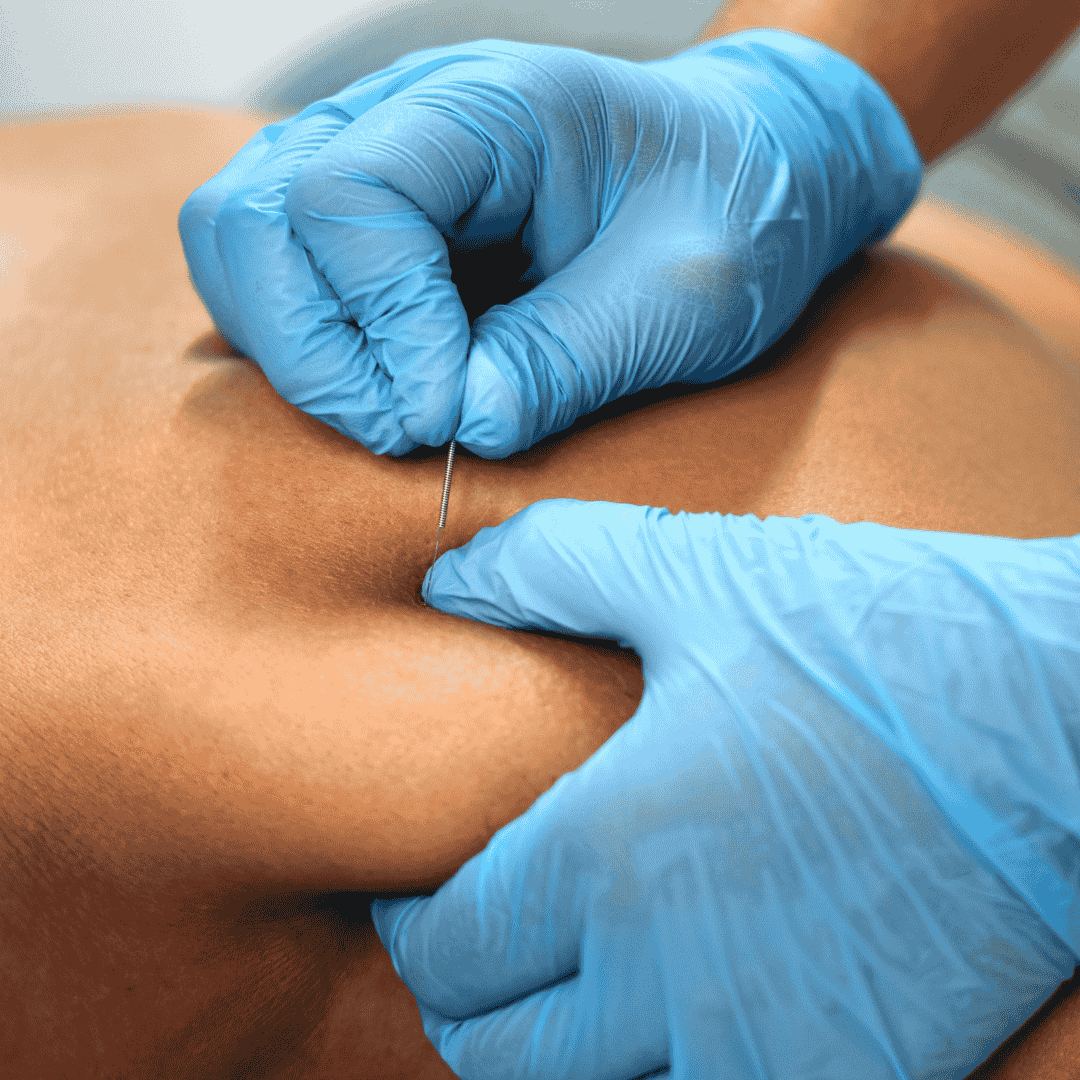
Dry needling is a Western technique developed in the 20th century, typically performed by physical therapists or chiropractors. It targets myofascial trigger points — the tight, hypersensitive "knots" in muscle tissue that refer pain and restrict range of motion — using needles to mechanically release those bands and stimulate local neuromuscular response. Training requirements vary significantly by state and profession, and the scope of practice is generally limited to the musculoskeletal system.
For athletes, both tools have real value. Dry needling is particularly effective for acute muscular tightness, trigger points, and post-training soreness. Acupuncture addresses deeper recovery challenges: systemic inflammation, nervous system dysregulation, chronic overuse patterns, and the kind of full-body fatigue that accumulates over a long competitive season. Many high-performance athletes work with practitioners trained in both, using each strategically depending on what the body needs at a given point in training.
Electroacupuncture: The High-Performance Upgrade
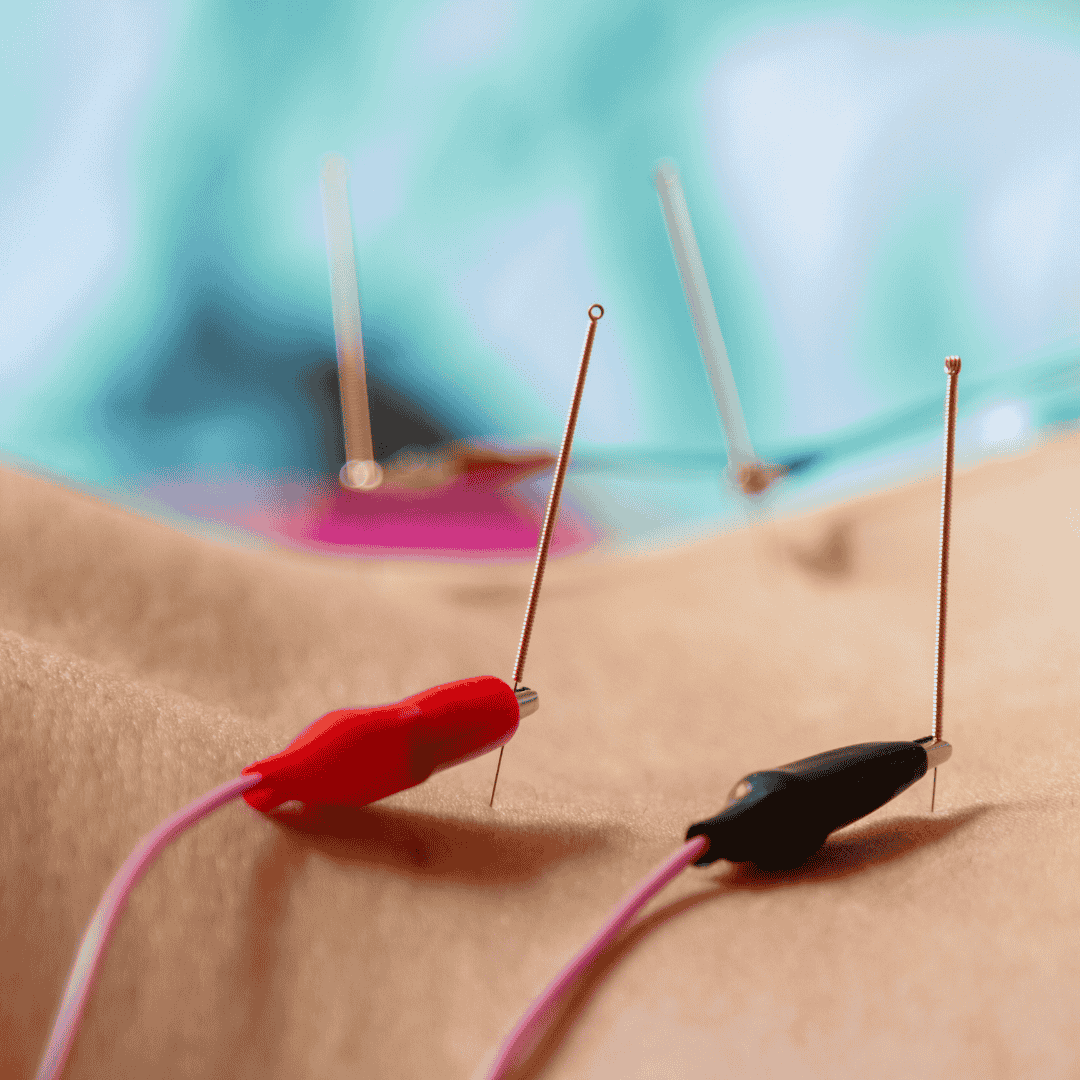
If standard acupuncture is a powerful recovery tool, electroacupuncture — commonly called e-stim or EA — takes it to another level. Electroacupuncture runs a controlled, low-level electrical current between needles already placed in the body. Instead of a practitioner manually stimulating needles by hand, the current does it continuously throughout the session, producing more consistent and sustained therapeutic effects.
For athletes, the applications are directly relevant to performance and recovery.
Faster muscle recovery between sessions is one of the primary reasons athletes seek out electroacupuncture. The stimulation drives increased local blood flow and lymphatic circulation, accelerating the clearance of metabolic waste — lactate, inflammatory byproducts — from hard-worked tissue while delivering fresh, oxygenated blood to begin the repair process. For athletes with tight training schedules, this can be the difference between showing up to the next session at 90% versus 70%.
Meaningful pain relief without masking is another key benefit. E-stim triggers the release of the body's own endorphins and enkephalins — natural analgesic compounds — along with serotonin. The pain relief is real and significant, but unlike pharmaceutical pain management, it doesn't mask dysfunction or alter proprioception. Athletes can train and compete with a more accurate read of their body.
Neuromuscular re-education after injury is one of the more underappreciated applications. When a muscle has been injured, the nervous system often responds by downregulating recruitment to that muscle as a protective mechanism — even after the tissue has healed. This inhibition contributes to compensatory movement patterns and dramatically increases reinjury risk. Targeted e-stim at specific frequencies helps restore normal neuromuscular communication, supporting cleaner movement mechanics during return to sport.
Anti-inflammatory effects at the cellular level have been documented in research, with specific electroacupuncture frequencies associated with modulation of pro-inflammatory cytokines. For athletes managing tendinopathies, stress reactions, or post-competition inflammation, this offers a non-pharmacological tool with no recovery-impairing side effects.
Sessions run 20 to 30 minutes, and most athletes report immediate improvements in range of motion and reduced soreness. As a complement to strength and conditioning, physiotherapy, or chiropractic care, electroacupuncture fills a gap that few other modalities address as effectively.
Cupping and Gua Sha: Manual Therapies Built for Athletic Bodies
Long before foam rollers and percussion guns, TCM practitioners were using their hands and simple instruments to release fascial tension, break up stagnation, and restore mobility to overworked athletic tissue. Cupping and gua sha are two of the most effective manual therapies in the TCM arsenal — and both have exploded in mainstream sports culture for good reason.
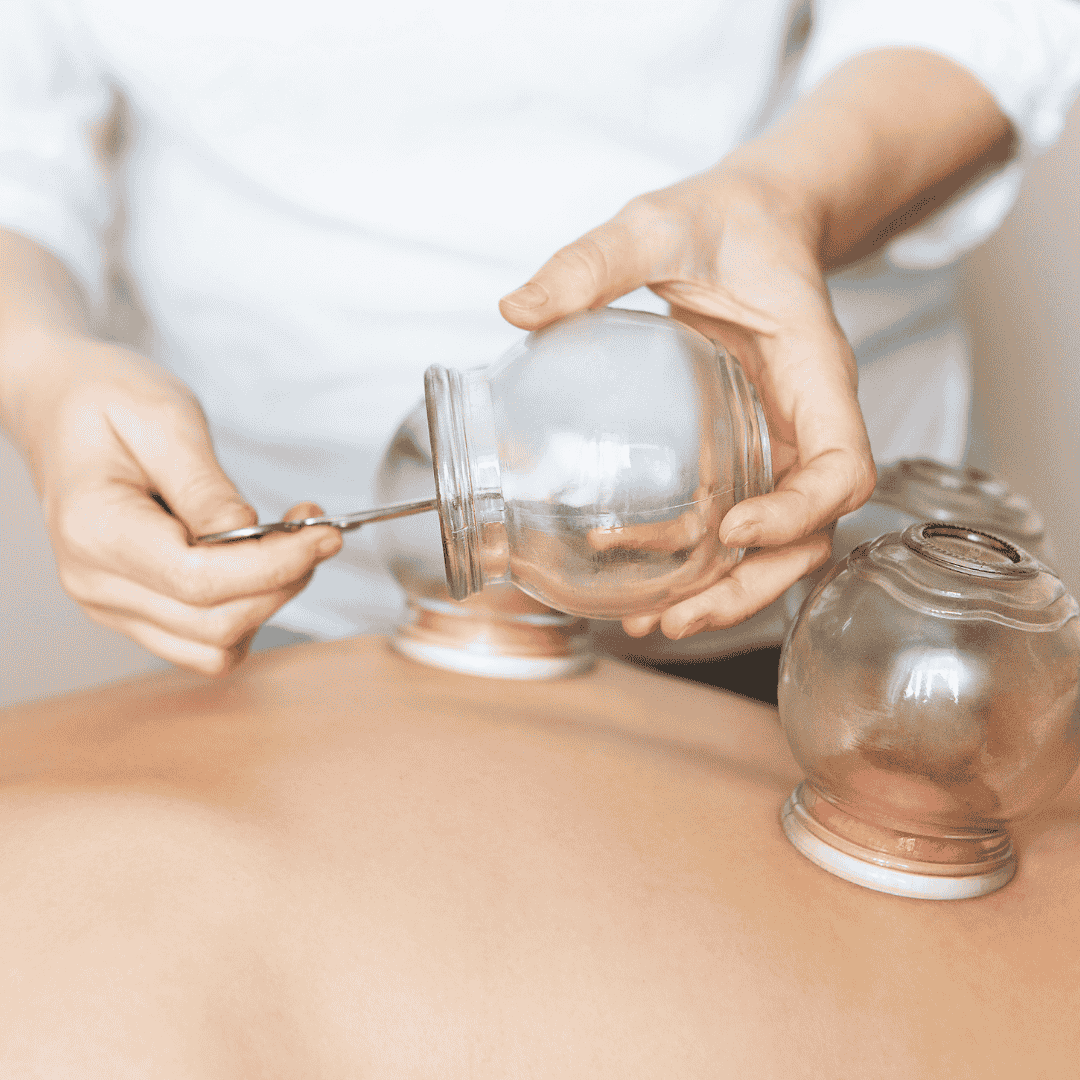
Cupping involves placing cups — traditionally made of glass or bamboo, now commonly silicone — on the skin and creating suction that lifts the superficial tissue upward. Where most manual therapy techniques compress tissue, cupping decompresses it, creating a negative-pressure environment that pulls blood and fluids toward the surface. The results for athletes are significant: improved circulation to deep muscle layers, rapid release of fascial adhesions, reduced muscle tension, and accelerated lymphatic drainage. The characteristic circular marks left by cupping are not bruises in the traditional sense — they are extravasation of stagnant blood and lymph into the subcutaneous tissue, and practitioners use the color and distribution of those marks to assess the degree of stagnation and tissue health. Athletes commonly use cupping on the back, shoulders, hamstrings, and IT band — areas that accumulate significant chronic tension through training. Michael Phelps famously arrived at the 2016 Olympics covered in cupping marks, and since then the therapy has become nearly ubiquitous in elite aquatic and track sports.
Gua sha is a scraping technique in which a smooth-edged tool — typically made of jade, rose quartz, horn, or metal — is drawn firmly across oiled skin in repeated strokes. This controlled friction breaks up fascial adhesions, disperses localized blood stagnation, and stimulates a significant increase in microcirculation. For athletes, gua sha is especially valuable for addressing chronic muscular tightness, scar tissue from old injuries, and restricted range of motion that persists despite other treatment. The tool work reaches through superficial tissue into deeper fascial planes, making it remarkably effective for areas like the thoracic spine, posterior chain, and forearms that accumulate loading stress through repetitive sport-specific movement. Research has shown that gua sha produces a measurable increase in surface microcirculation that persists for several days post-treatment, supporting ongoing tissue repair well after the session ends. It's also been studied for its effects on reducing enzyme markers of muscle damage — particularly relevant for strength and power athletes.
Both cupping and gua sha can produce temporary marks or skin redness that resolves within a few days. Neither should be performed on broken skin, and both are contraindicated in certain medical conditions — a qualified TCM practitioner will assess appropriateness before treatment.
Herbal Topicals: Field-Tested Formulas for the Training Grind
Some of the most battle-tested recovery tools in the TCM toolkit don't require a clinic visit at all. Traditional herbal liniments have been used by martial artists, soldiers, and athletes for centuries, and two of the most potent remain in widespread use today.
Dit Da Jow (跌打酒) — "hit fall wine" — is a classical trauma liniment with deep roots in Chinese martial arts. Traditionally brewed by macerating dozens of herbs in rice wine for months or years, it was developed to address the daily trauma of striking practice: bruising, soft tissue damage, joint stress, and tendon strain. Core herbs like hong hua (safflower), san qi (notoginseng), ru xiang (frankincense), mo yao (myrrh), and dang gui (angelica root) work synergistically to move stagnant blood, reduce swelling, relieve pain, and accelerate tissue repair. Formulas vary significantly between lineages and practitioners — some are cooling and dispersing, others are warming and tonifying — making it worth seeking out a formulation matched to your specific needs.
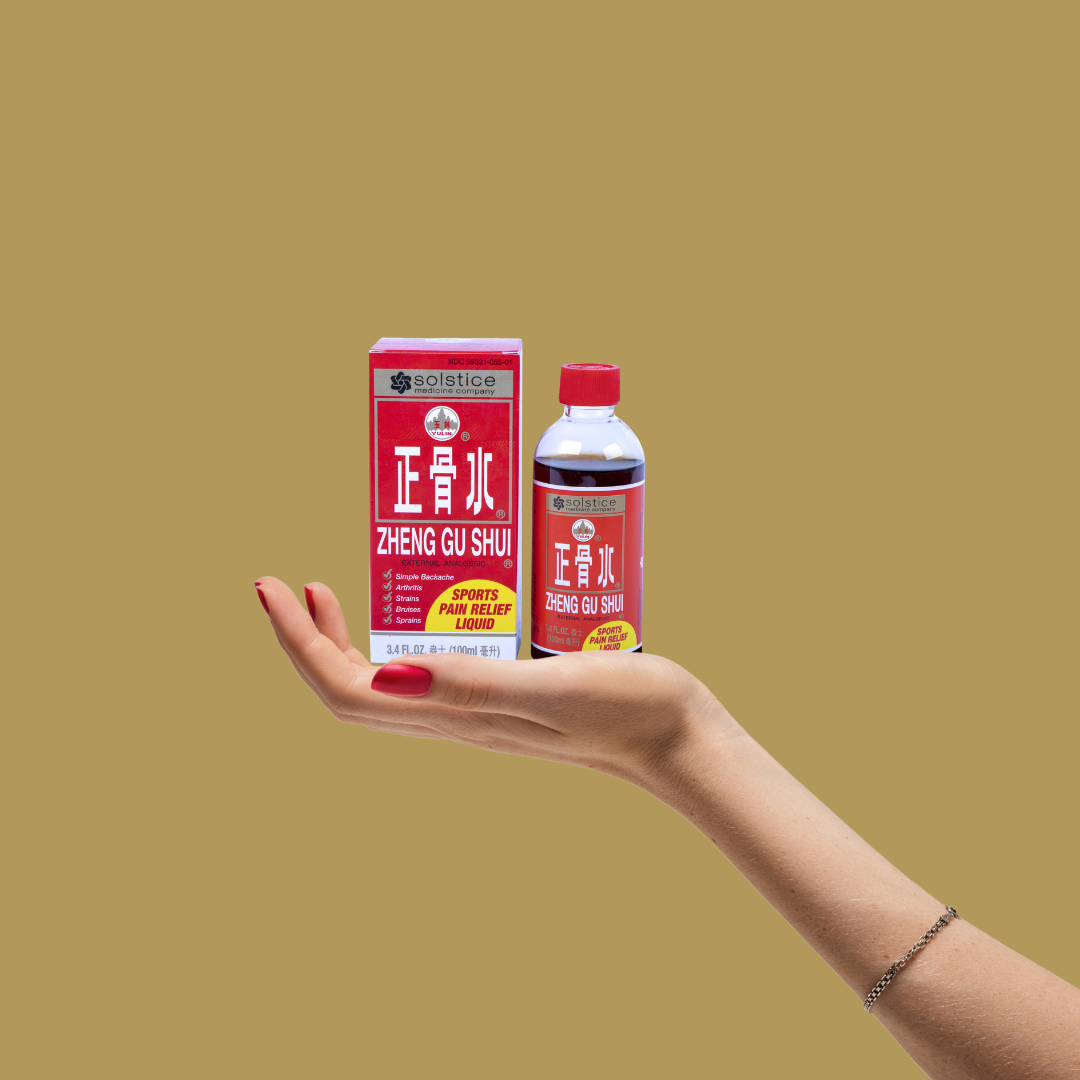
Zheng Gu Shui (正骨水) — "correct bone water" — is a commercially available liniment with a potent, deeply penetrating action. Originally designed for fractures and bone injuries, it contains concentrated extracts including san qi, wu jia pi (eleuthero bark), and bo he (menthol). Athletes across disciplines use it for ankle sprains, knee soreness, shoulder impingement, and muscle strains, consistently reporting that its penetration and analgesic effect outperforms conventional topical options. The cooling menthol sensation is intense, and the anti-inflammatory action is fast.
Both liniments are most effective when applied with firm massage into the affected area two to three times daily. Avoid broken skin, test for sensitivity before widespread use, and note that some formulations are contraindicated during pregnancy. Purchase from reputable sources — herbal product quality varies considerably.
Your Recovery Protocol, Elevated
Elite performance doesn't happen in the training session alone — it's built in the recovery window between them. TCM gives athletes a comprehensive, clinically grounded approach to that window: acupuncture and electroacupuncture to regulate the nervous system, accelerate tissue healing, and manage pain; cupping and gua sha to restore tissue quality, release fascial restriction, and improve mobility; and herbal topicals to keep circulation moving and support repair between sessions.
These aren't alternatives to modern sports medicine — they're powerful complements to it. The athletes who integrate TCM into their broader performance and recovery framework are training smarter, staying healthier, and building careers that last.
Your training demands the best recovery available. TCM has been delivering it for two and a half millennia.