
Sleep Optimization: Ancient Wisdom Meets Modern Science
We're in the midst of a sleep crisis. According to YouGov, 69% of Americans desperately wish for eight or more hours of quality sleep—yet most fall drastically short of this goal. The consequences extend far beyond morning grogginess: chronic sleep deprivation accelerates aging, impairs cognitive function, disrupts hormonal balance, and increases the risk of virtually every chronic disease.
While sleep medications and modern sleep aids offer temporary relief, they rarely address the root causes of insomnia. What if the solution lies not in choosing between ancient wisdom and modern science, but in combining them? By integrating Traditional Chinese Medicine's profound understanding of circadian rhythms with functional medicine's evidence-based protocols, we can create a comprehensive approach to reclaiming the restorative sleep our bodies desperately need.
The Chinese Medicine Body Clock: An Ancient Circadian Map
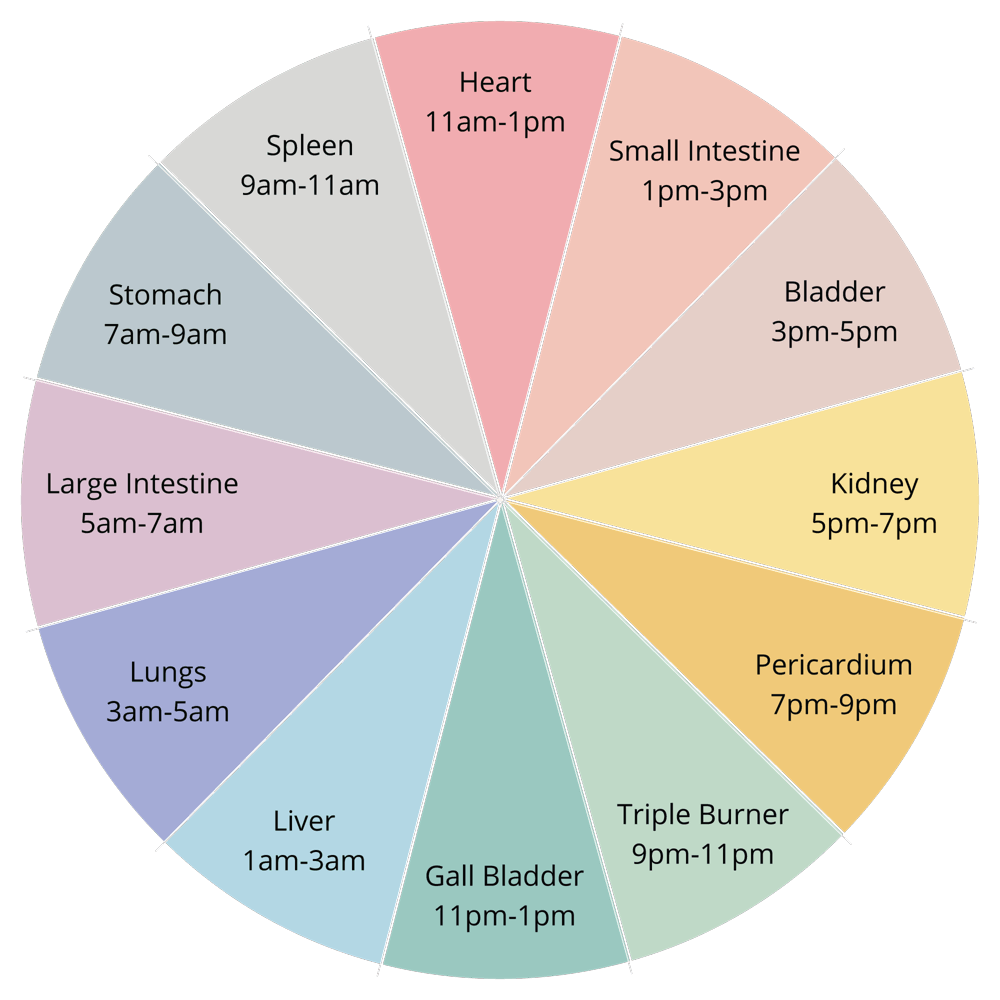
Long before modern chronobiology discovered the intricate mechanisms of our circadian rhythms, Traditional Chinese Medicine had mapped out a sophisticated system known as the Organ Clock. This framework describes how Qi—our vital life force—flows through different organ systems in two-hour intervals throughout a 24-hour cycle.
Understanding this energetic ebb and flow provides remarkable insights into our sleep patterns and the specific times when sleep disturbances occur.
The Critical Evening Transition
7-9 PM: Pericardium Time As evening arrives, energy moves to the pericardium meridian, which TCM views as the protector of the heart and emotions. This is when your body naturally begins preparing for rest, processing the emotional experiences of the day. If you're still operating in high-stress mode during these hours—answering work emails, watching intense television, or engaging in heated discussions—you're swimming against your body's natural current.
Modern science confirms this wisdom: cortisol should naturally decline during these evening hours while melatonin production begins. Blue light exposure and emotional stress during this window suppress melatonin and keep cortisol elevated, sabotaging your ability to fall asleep later.
9-11 PM: Triple Burner (San Jiao) Time The triple burner governs thermoregulation and the coordination of all metabolic processes. This is when your body temperature should naturally decline—a crucial trigger for sleep onset. In TCM theory, this is the optimal window for falling asleep, as your body's energy naturally descends and becomes receptive to rest.
Functional medicine research validates this, showing that the 9-11 PM window is when melatonin peaks and growth hormone secretion begins. Missing this sleep window by staying up late disrupts these essential hormonal cascades.
The Critical Sleep Window
11 PM-1 AM: Gallbladder Time According to TCM, the gallbladder meridian governs decision-making and planning. If you're awake during these hours, you may find yourself ruminating, planning, or feeling unable to "turn off" your mind. Chronic waking during this window often indicates gallbladder Qi stagnation or liver heat—patterns that manifest as difficulty making decisions, irritability, and jaw clenching.
1-3 AM: Liver Time The liver, which TCM views as the body's chief detoxification organ and blood reservoir, does its deepest regenerative work during these hours. Waking between 1-3 AM—especially with feelings of anger, frustration, or anxiety—classically indicates liver imbalance. From a Western perspective, this timing aligns with the liver's peak detoxification processes and blood sugar regulation.
Frequent waking during liver time often correlates with blood sugar dysregulation, alcohol consumption, toxic burden, or suppressed emotions—all of which modern functional medicine recognizes as sleep disruptors.
3-5 AM: Lung Time The lungs govern Qi circulation and are associated with grief and letting go. Early morning waking during these hours, especially accompanied by shallow breathing or sadness, suggests lung Qi deficiency or unresolved grief. This also corresponds with the circadian low point in body temperature and the time when asthma and breathing difficulties often worsen.
Acupressure Points: Your Sleep Toolkit
One of TCM's most practical gifts for modern insomniacs is a set of specific acupressure points that calm the mind, regulate Qi flow, and facilitate the transition into sleep. Unlike pharmaceutical interventions, these techniques work with your body's natural healing mechanisms and can be self-administered.
Essential Sleep Points
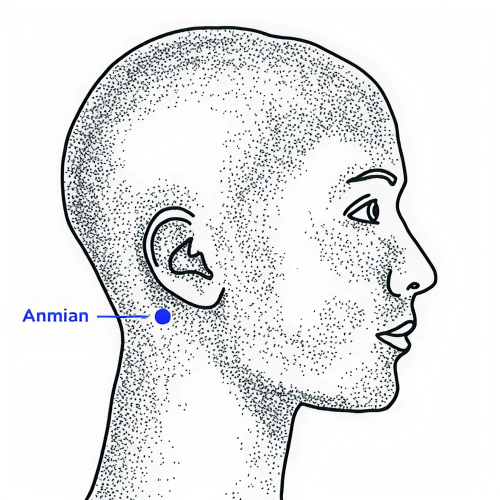
Anmian (Extra Point): "Peaceful Sleep" Located in the depression behind your earlobe, this aptly named point directly addresses insomnia. Apply gentle, circular pressure for 1-2 minutes on each side while breathing deeply. This point calms the spirit (Shen) and is particularly effective for racing thoughts.
Heart 7 (Shen Men): "Spirit Gate" Found in the wrist crease on the pinky side, this point is the primary acupuncture point for calming anxiety and quieting mental chatter. It's especially useful when emotional stress prevents sleep. Gently massage this point for 30 seconds on each wrist, or wear an acupressure band at this location while sleeping.
Pericardium 6 (Nei Guan): "Inner Gate" Located three finger-widths below the wrist crease between two tendons, this powerful point addresses both emotional upset and physical digestive discomfort that disrupts sleep. It's remarkable for nausea, anxiety, and the chest tightness that accompanies stress. Apply firm pressure for one minute on each wrist.
Kidney 1 (Yong Quan): "Gushing Spring" Found on the sole of the foot, one-third of the way from the toes to the heel, this point grounds excess energy that rises to the head and prevents sleep. In TCM theory, it draws fire downward and roots the spirit. Before bed, soak your feet in warm water, then massage this point firmly for 1-2 minutes on each foot.
Yin Tang (Extra Point): "Hall of Impression" Located between your eyebrows at the third eye position, this point calms the mind and opens the sensory orifices. Gentle circular massage here for one minute can ease the transition into sleep, particularly when the mind won't settle.
Creating Your Evening Acupressure Ritual
Twenty minutes before bed, work through these points sequentially while sitting comfortably. Begin at Yin Tang to center your awareness, move to Heart 7 and Pericardium 6 on both wrists to calm emotional tension, work Anmian behind your ears, and finish with Kidney 1 on your feet to ground your energy downward. Combine this with slow, deep breathing—inhaling for four counts, holding for four, exhaling for six—to activate your parasympathetic nervous system.
Functional Medicine Sleep Hygiene: The Modern Foundation
While TCM provides the energetic framework and targeted interventions, functional medicine offers evidence-based lifestyle protocols that address the biochemical and environmental factors disrupting modern sleep.
Light Management: Resetting Your Master Clock
Your circadian rhythm is primarily governed by light exposure. The suprachiasmatic nucleus in your brain uses light signals to synchronize your internal clock with the external world. Modern life, with its abundance of artificial light and screen time, creates profound circadian disruption.
Morning Light Exposure: Within 30 minutes of waking, expose your eyes to bright natural light for 10-15 minutes. This suppresses residual melatonin, triggers cortisol awakening response, and sets your circadian anchor point. If you struggle with sleep onset, this single intervention can shift your rhythm earlier.
Evening Light Restriction: After sunset, minimize blue light exposure. Use blue-light blocking glasses, enable night mode on all devices, and dim household lighting. Red or amber lighting doesn't suppress melatonin production, making it ideal for evening use.
Temperature Optimization: The Thermal Secret
Your body temperature must drop approximately 2-3 degrees Fahrenheit to initiate and maintain sleep. This aligns perfectly with TCM's triple burner time when thermoregulation shifts toward cooling.
Keep your bedroom between 65-68°F—cooler than most people intuitively prefer. Consider a hot bath or shower 90 minutes before bed; the subsequent drop in core temperature as you cool down actually facilitates sleep onset. Some sleep optimization enthusiasts use cooling mattress pads or even specially designed cooling socks that dilate foot blood vessels, allowing heat to dissipate.
Blood Sugar Stability: The Hidden Sleep Disruptor
Middle-of-the-night waking, particularly during liver time (1-3 AM), often indicates blood sugar dysregulation. When blood glucose drops too low during sleep, your body releases cortisol and adrenaline to mobilize stored glucose—waking you in the process.
Support stable overnight blood sugar with a small evening snack combining protein and healthy fat: a handful of nuts, a spoonful of almond butter, or a hard-boiled egg. This provides sustained fuel without spiking insulin. Avoid high-sugar foods in the evening, and consider front-loading your carbohydrate intake earlier in the day.
Magnesium: The Relaxation Mineral
Approximately 50% of Americans are deficient in magnesium, a mineral essential for GABA production, muscle relaxation, and the regulation of the HPA axis. Magnesium glycinate taken 1-2 hours before bed (300-400mg) can significantly improve sleep quality without morning grogginess.
This aligns with TCM's use of mineral-rich herbs and foods to nourish Yin—the cooling, calming, restorative aspect of our physiology that enables deep sleep.
The Caffeine Calculation
Caffeine has a half-life of 5-6 hours, meaning that a cup of coffee consumed at 2 PM still has 25% of its caffeine circulating at 10 PM. If you're sensitive to caffeine or struggle with sleep onset, establish a firm caffeine cutoff time—ideally before noon. Remember that caffeine isn't just in coffee: tea, chocolate, some medications, and energy drinks all contribute to your daily load.
The Integrated Sleep Protocol: East Meets West

The most powerful approach combines both traditions into a comprehensive sleep optimization system:
Morning Routine (Supporting Yang)
Expose yourself to bright natural light within 30 minutes of waking
Engage in movement to activate circulation and clear any residual stagnation
Front-load protein and healthy fats to stabilize blood sugar throughout the day
Afternoon Considerations (Managing the Transition)
Establish your caffeine cutoff (noon for sensitive individuals)
Include a brief walk or gentle movement to prevent afternoon Qi stagnation
Begin mentally transitioning from work mode as you approach evening
Evening Protocol (Cultivating Yin)
7-9 PM: Dim lights, minimize screen time, engage in calming activities that honor pericardium time
Light dinner at least 3 hours before bed, with optional small protein/fat snack closer to bedtime
Hot bath or shower 90 minutes before target sleep time
Pre-Sleep Ritual (9-11 PM)
Acupressure sequence through your chosen sleep points
Magnesium glycinate supplementation
Cool bedroom to 65-68°F
Gentle breathing exercises or meditation
In bed by 10:30 PM to honor the optimal sleep window
During the Night (Troubleshooting)
If you wake during gallbladder time (11 PM-1 AM): Practice progressive muscle relaxation to release physical tension
If you wake during liver time (1-3 AM): Consider whether blood sugar, alcohol, or emotional stress may be involved
If you wake during lung time (3-5 AM): Focus on slow, deep breathing to regulate lung Qi
Beyond Sleep Duration: Quality and Architecture
Both traditions ultimately recognize that sleep optimization isn't just about quantity—it's about quality. TCM emphasizes the depth of rest and how fully you can surrender into sleep's restorative embrace. Functional medicine examines sleep architecture: the proper cycling through light sleep, deep sleep, and REM stages.
When you align your sleep timing with your organ clock, optimize your biochemistry through functional medicine protocols, and use targeted acupressure to facilitate the transition into rest, you create the conditions for truly restorative sleep—the kind that leaves you energized, clear-minded, and resilient.
The 69% of Americans longing for better sleep don't need to choose between ancient wisdom and modern science. By honoring both, we can finally reclaim the deep, restorative rest that is our birthright—and wake up ready to meet each day with vitality and purpose.