
Dry Winter Skin from a Chinese Medicine Perspective
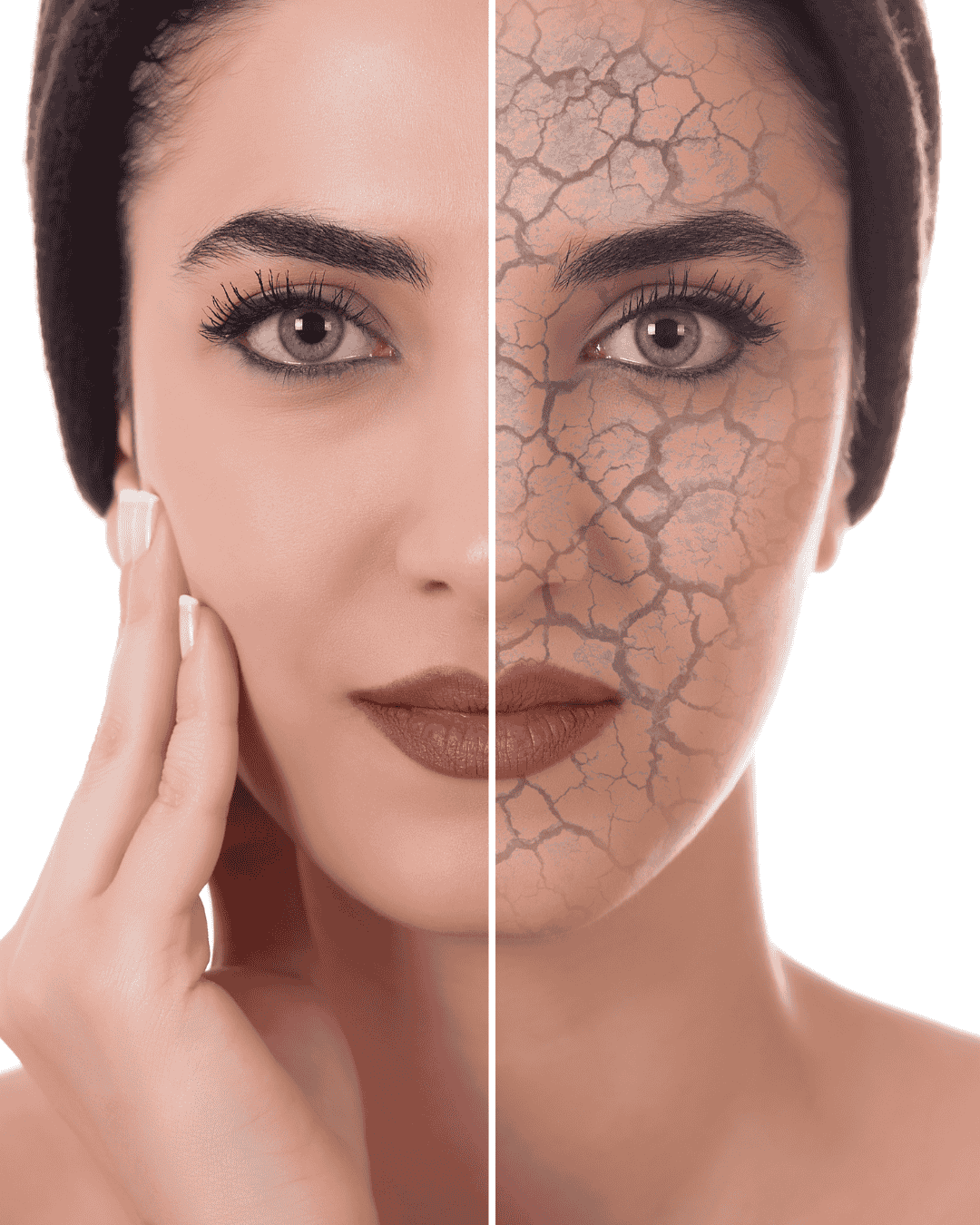
As furnaces kick on and humidity plummets, dry winter skin becomes nearly universal. Cracked hands, itchy legs, flaking faces—we accept this as winter's price and reach for heavy moisturizers, offering external solutions to what Traditional Chinese Medicine understands as an internal imbalance. While topical treatments provide temporary relief, TCM's perspective on winter skin reveals deeper patterns involving the lungs, yin deficiency, and the body's ability to moisten itself from within.
The Lung's Role in Skin Health
Western medicine understands skin as the body's largest organ, providing barrier protection and regulating temperature. TCM sees the skin as the "third lung"—the outermost extension of the lung system. The lungs govern the skin and body hair, controlling the opening and closing of pores and distributing moisture and defensive qi to the body's surface.
When lung qi flows smoothly and lung yin (the moistening, nourishing aspect) is sufficient, skin remains supple, properly hydrated, and healthy. But winter's cold, dry air directly challenges lung function. The drying environmental conditions draw moisture from our respiratory passages and skin surface, while indoor heating systems intensify this desiccating effect. If our internal moisture reserves—our yin—cannot adequately replenish what's lost, dry skin develops.
Understanding Yin Deficiency
Yin represents the cooling, moistening, nourishing aspects of our physiology. Think of yin as the body's internal fluids, including blood, lymph, synovial fluid, and the moisture that keeps tissues supple. When yin becomes deficient, we lose the internal "irrigation system" that moistens skin, lubricates joints, and nourishes tissues.
Yin deficiency manifests in several recognizable patterns beyond dry skin: dry eyes, dry mouth (especially at night), dry cough without much phlegm, night sweats, afternoon low-grade fever or flushed cheeks, insomnia, and a thin, rapid pulse. The tongue typically appears red with little coating—lacking the moist white coating of someone with healthy fluids.
Multiple factors contribute to yin deficiency, particularly during winter: chronic dehydration, excessive indoor heating, overwork and insufficient rest, chronic illness, aging (yin naturally declines with age), and diets lacking in nourishing, moistening foods.
Dietary Therapy: Eating for Skin Hydration
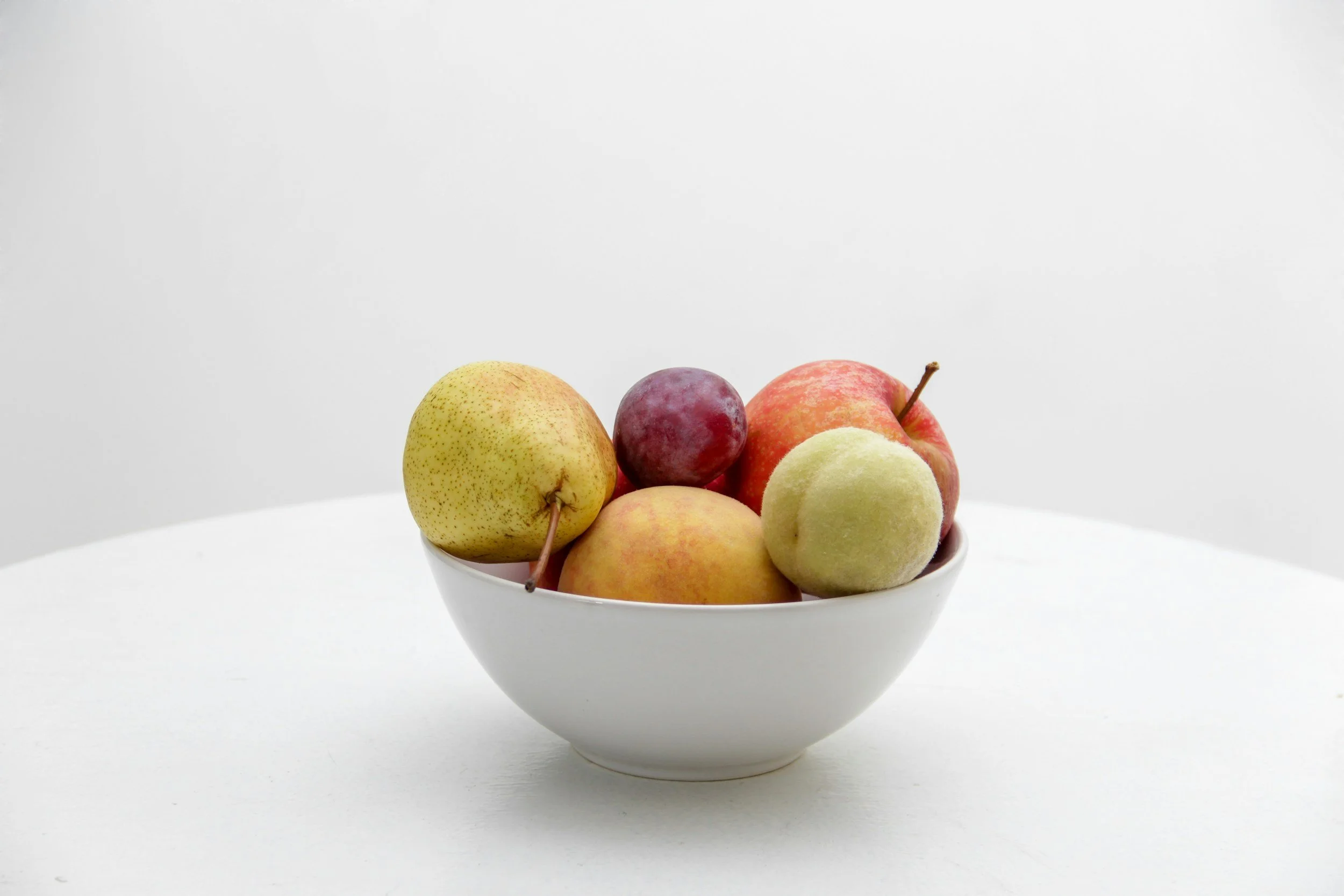
TCM recognizes that true skin hydration begins internally. While water intake matters, simply drinking more water without supporting your body's ability to distribute and utilize that moisture is insufficient. Specific foods nourish yin and support lung function:
Yin-Nourishing Foods: Pears are the premier lung-moistening fruit in TCM, traditionally used in broths and soups to address dry cough and skin. Other yin-tonifying foods include apples, persimmons, honey, eggs, dairy products (in moderation), avocados, and coconut. These foods are naturally rich in healthy fats and moisture that nourish from within.
Lung-Supporting Foods: White foods hold special affinity for the lungs in TCM's five-element theory. White rice, almonds, pine nuts, white mushrooms, daikon radish, cauliflower, and lotus root all support lung function and can help address dry skin stemming from lung imbalance.
Healthy Fats: Omega-3 fatty acids from wild-caught fish, walnuts, and flax seeds reduce inflammation and support the lipid barrier that prevents moisture loss from skin cells. These align with TCM's understanding that yin requires substance and richness.
Bone Broths: Rich in collagen and gelatin, bone broths deeply nourish yin and jing (essence). The gelatinous texture itself indicates yin-building properties that support tissue moisture and skin suppleness.
Foods to Minimize: Reduce drying, dispersing foods that deplete yin or damage lung moisture: excessive spicy foods (though some warming spices are appropriate in winter), alcohol, caffeine, and overly salted or processed foods.
Herbal Remedies for Dry Winter Skin

Several Chinese herbs and formulas specifically address skin dryness rooted in lung yin deficiency:
Yu Zhu (Solomon's Seal): This gentle herb moistens lung yin and has been used for centuries to address dry skin and dry cough. It can be simmered with pears for a moistening tea particularly effective during winter.
Bai He (Lily Bulb): Another primary lung yin tonic, lily bulb appears in formulas and soups addressing respiratory dryness and its skin manifestations. It has a cooling, moistening quality ideal for yin deficiency.
Mai Men Dong (Ophiopogon): This herb generates fluids and moistens the lungs, addressing the root cause of dryness rather than just symptoms. It often appears in formulas for chronic dry conditions.
Classical Formulas: Formulas like Sha Shen Mai Dong Tang (Glehnia and Ophiopogon Decoction) specifically address lung and stomach yin deficiency with dry skin, dry throat, and dry cough. These should be prescribed by a qualified TCM practitioner based on your individual pattern.
Topical Herbal Oils: While addressing internal imbalances is primary, TCM also uses external applications. Oils infused with moistening herbs like Chinese angelica (dang gui) or prepared rehmannia (shu di huang) can be massaged into particularly dry areas.
Lifestyle Modifications for Winter Skin Health
Supporting your lungs and yin through lifestyle choices complements dietary and herbal approaches:
Humidification: Add moisture to your environment. Using humidifiers, especially in bedrooms, helps prevent excessive moisture loss from both respiratory passages and skin during sleep. Aim for 40-50% humidity.
Reduce Hot Showers: While tempting during cold months, very hot water strips natural oils and damages the skin's moisture barrier. Use warm (not hot) water and limit bathing time to 5-10 minutes.
Oil Application: Apply oils (sesame, coconut, or almond) to slightly damp skin immediately after bathing to seal in moisture. This follows the TCM principle of supporting the body's ability to maintain its moisture barrier.
Breathing Exercises: Practices that strengthen lung capacity and function support the lung-skin connection. Deep diaphragmatic breathing, qigong, or tai chi all nourish lung qi and yin while promoting healthy circulation to the skin.
Adequate Rest: Sleep is when yin rebuilds. Chronic sleep deprivation directly depletes yin reserves. Aim for 7-9 hours nightly, ideally sleeping before 11 PM when yin is naturally replenished.
Protect Your Lungs: Avoid cigarette smoke, environmental pollutants, and excessive cold, dry air exposure. When outdoors in cold weather, protect your neck and throat—the "windows of the lungs"—with scarves.
Acupressure for Skin Health
Several acupuncture points can be stimulated to support lung function and moisture distribution:
Lung 7 (Lieque): Located on the inside of the forearm, about 1.5 inches above the wrist crease, this point promotes lung qi circulation and helps distribute moisture to the skin surface.
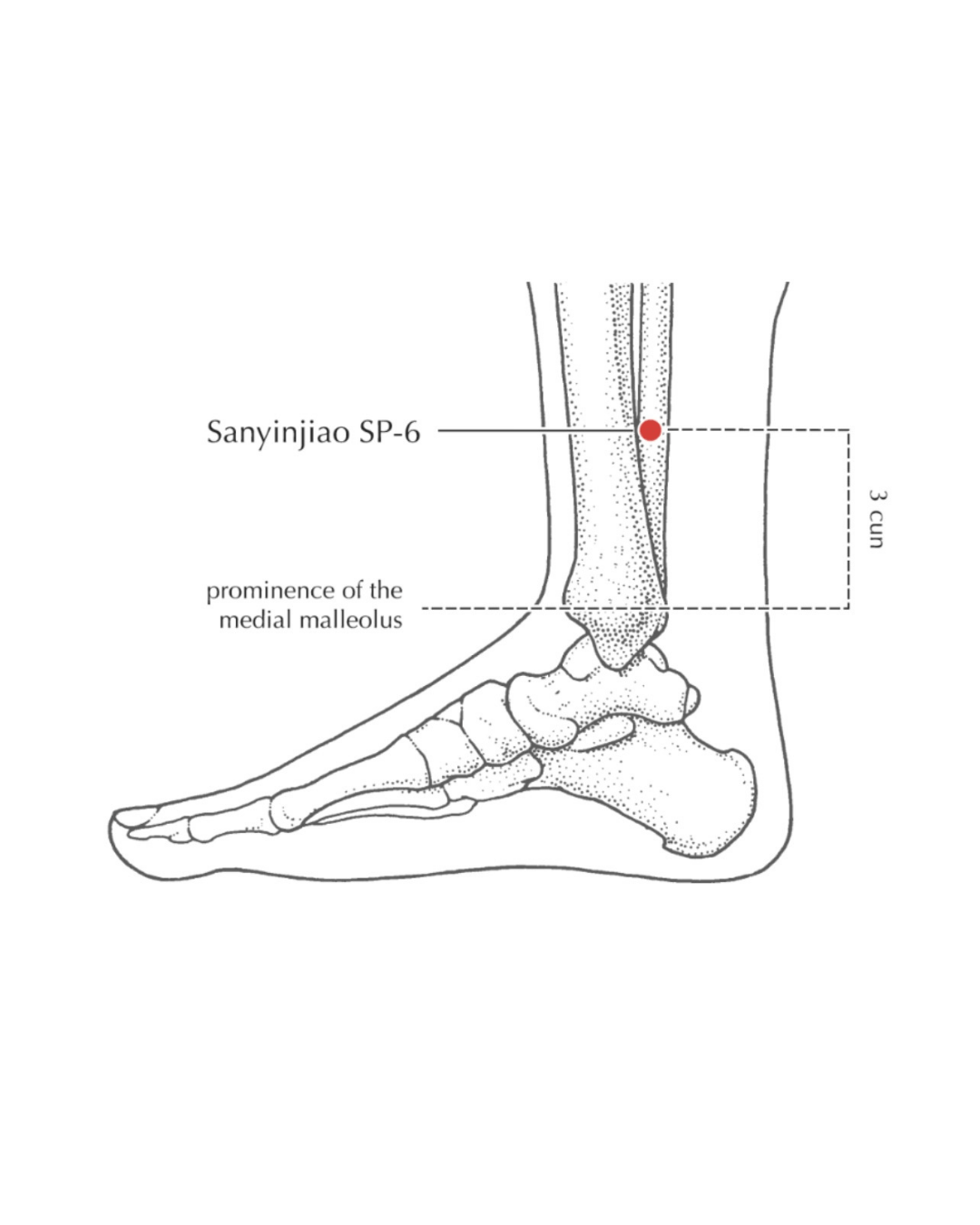
Spleen 6 (Sanyinjiao): Four finger-widths above the inner ankle bone, this point tonifies yin and blood throughout the body, supporting overall moisture levels.
Kidney 6 (Zhaohai): In the depression below the inner ankle bone, this point specifically nourishes kidney yin, the root yin source that supports all other yin in the body, including that which moistens skin.
Advanced TCM Skincare: Microneedling and Cosmetic Acupuncture
For those seeking more intensive treatment for dry, aging winter skin, microneedling combined with TCM principles and cosmetic acupuncture offers powerful options that work both externally and internally to restore moisture and vitality.
Microneedling with TCM Serums
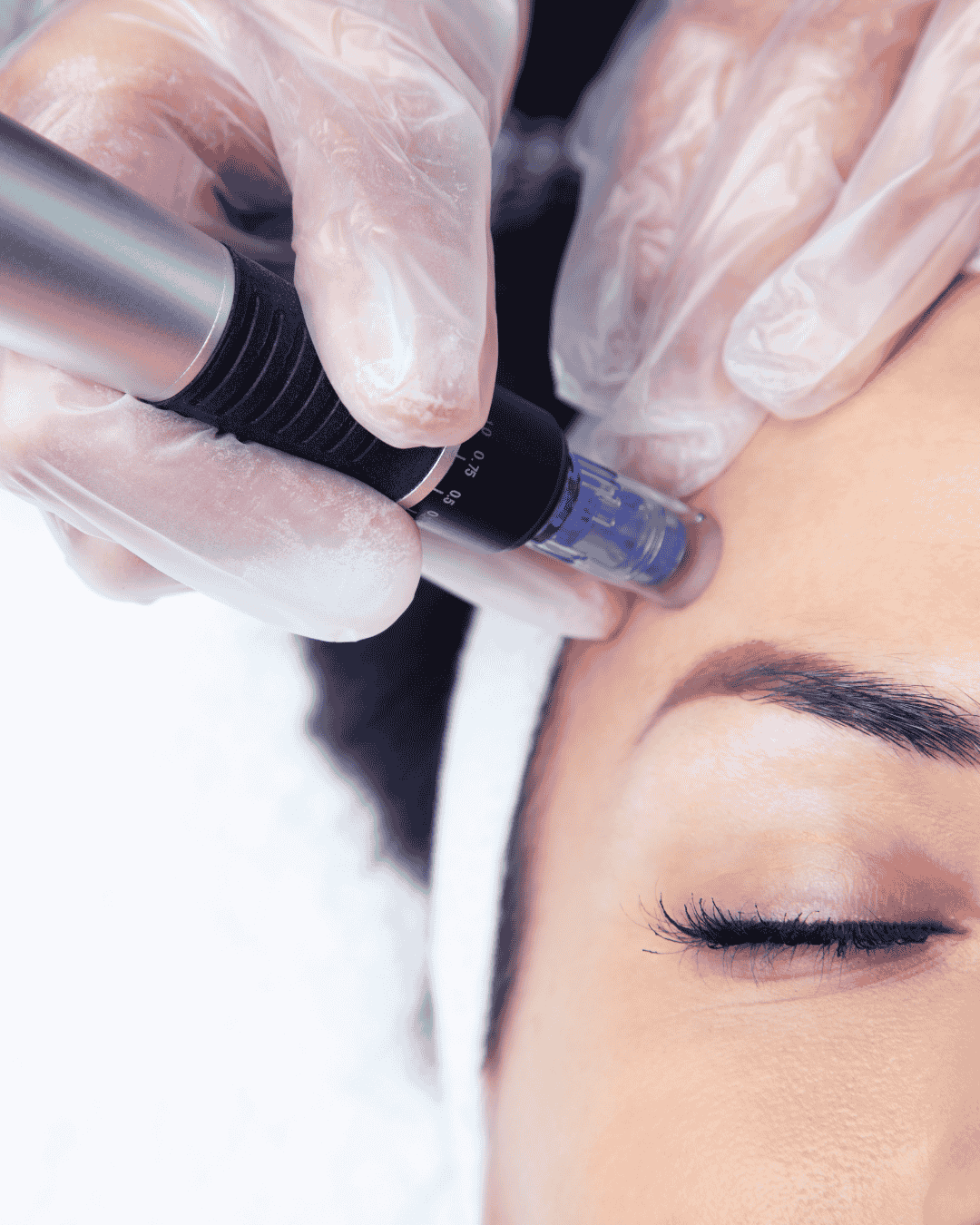
Microneedling creates controlled micro-injuries in the skin that stimulate the body's natural healing response, promoting collagen and elastin production while allowing therapeutic ingredients to penetrate deeply into the dermis. When combined with TCM-formulated serums, this technique addresses skin dryness from both a biomedical and traditional Chinese medicine perspective.
AcuMicro has developed a comprehensive line of TCM-based serums specifically designed for microneedling treatments, each formulated with traditional Chinese herbs that address different skin patterns:
For Yin Deficiency and Dryness:
Collagen XG+ (Xiang Gu/Shiitake Mushroom): This serum addresses the TCM pattern of facial qi deficiency with wind, making it ideal for dry, deficient skin. The shiitake mushroom extract prevents collagen deterioration while improving collagen quality and structure. Studies show it increases type I collagen synthesis by over 36% and reduces protein degradation that characterizes aging skin. For winter dryness rooted in lung yin deficiency, this serum helps rebuild the skin's moisture-retaining structure from within.
Elastin FL+ (Fu Ling/Poria Cocos): Addressing spleen and kidney qi deficiency commonly seen with aging, thinning skin, this serum is particularly appropriate for mature skin experiencing yin deficiency. Fu Ling, a celebrated fungus in Asian traditional medicine, builds skin thickness and enhances the skin's ability to bind hyaluronic acid—the substance that holds up to 1,000 ml of water per gram. By strengthening the dermal-epidermal junction and improving cellular cohesion, it directly addresses the structural weaknesses that allow moisture to escape from yin-deficient skin.
APSTEM (Ping Guo/Apple Stem Cells): This serum tonifies facial qi by activating epidermal cell renewal, addressing the fundamental issue in yin deficiency where tissues lose their regenerative capacity. Combined with hyaluronic acid, rosehip seed oil rich in vitamins A and E, and pure apple stem cell extract, it helps skin maintain moisture levels while promoting the self-renewal processes that naturally decline with age and yin depletion.
Supporting Serums for Overall Skin Health:
Senescence 75+ (Chen Pi Ganxibao/Orange Stem Cells): This formula boosts what TCM calls "primal kidney qi essence" of facial cells, helping mature cells regain their ability to divide and grow. Research shows it can restore skin elasticity to levels from 12 years earlier—particularly valuable for winter skin that's lost its resilience due to yin deficiency and aging.
Rejuv Xue Cao (Ji Xue Cao/Asiatic Pennywort): Used post-treatment, this serum clears heat, resolves swelling, and removes toxicity—all important for healing the micro-injuries created by needling. Its active triterpenoids stimulate type I collagen synthesis and improve skin tensile strength, supporting the repair process while maintaining moisture.
Application Protocol:
These serums can be diluted 10-20% with vegetable glycerin, hyaluronic acid, or filtered water depending on desired consistency, or used undiluted for maximum potency. During microneedling treatment, the micro-channels created allow these TCM-formulated ingredients to penetrate deeply, where they can work at the dermal level to address yin deficiency patterns and strengthen the lung-skin connection.
Cosmetic Acupuncture: Internal Support for External Beauty
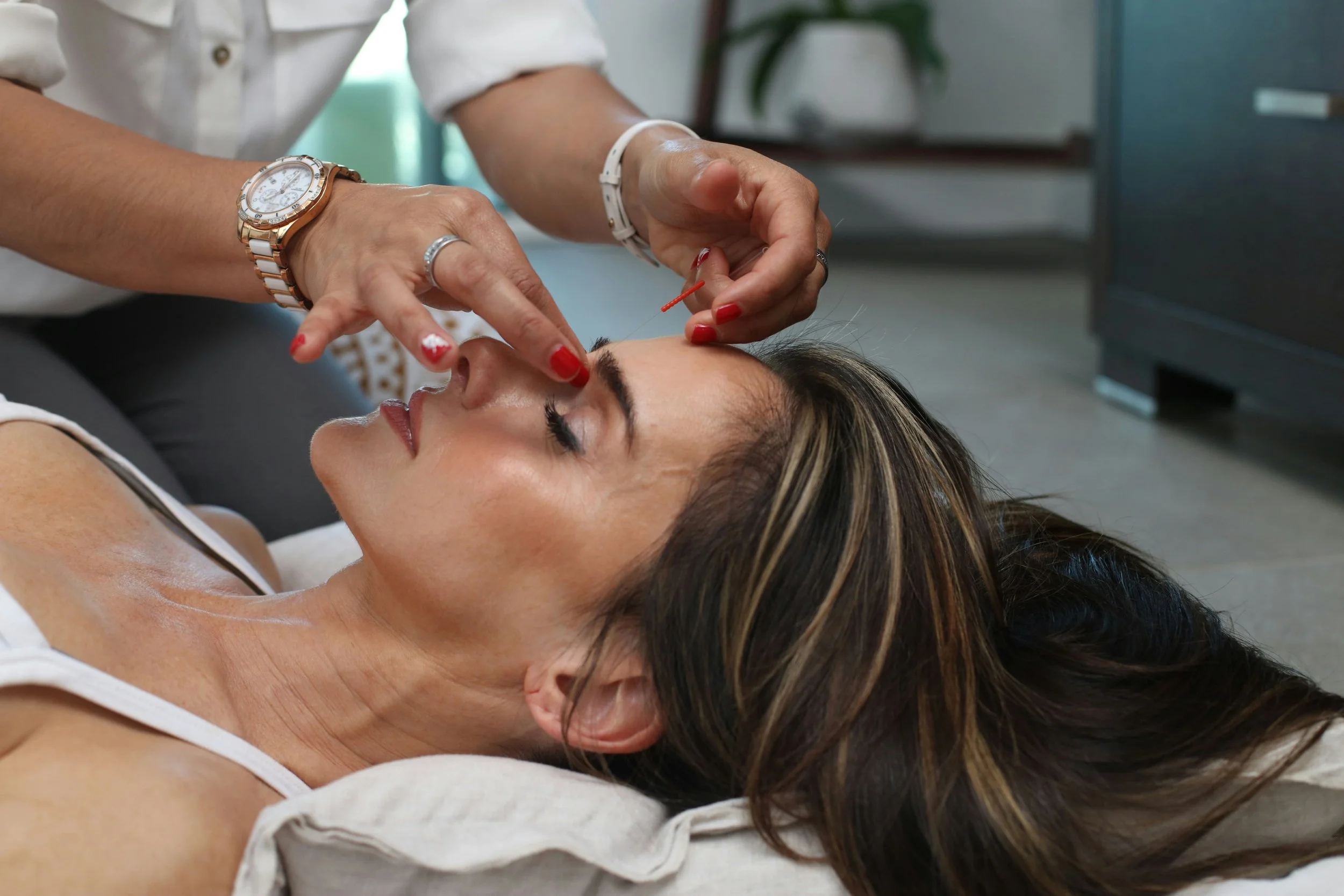
While microneedling works primarily on the skin's surface and dermal layers, cosmetic acupuncture (also called facial acupuncture or facial rejuvenation acupuncture) addresses skin health from the inside out by harmonizing the internal organ systems that govern skin quality—particularly the lungs, spleen, and kidneys.
During winter, when lung yin deficiency manifests as dry skin, cosmetic acupuncture treatments can:
Improve Facial Circulation: Fine needles placed directly in the face along channels and into specific facial points stimulate local circulation, bringing qi and blood to skin tissues. This increased microcirculation delivers nutrients and moisture while promoting collagen production and cellular repair—addressing the same structural issues targeted by microneedling but through stimulating the body's own healing mechanisms.
Reduce Stress-Related Depletion: Winter dryness often worsens with stress, which depletes yin in TCM theory. Cosmetic acupuncture treatments include body points that calm the spirit (shen) and regulate the nervous system, reducing the stress-induced depletion that contributes to skin aging and dryness.
Tonify Lung Qi and Yin: Needling points like Lung 7 (Lieque) and Lung 9 (Taiyuan) directly strengthens the lung system's ability to distribute moisture to the skin surface. These points improve the lung's "dispersing and descending" functions that govern how fluids reach the body's exterior.
Nourish Yin at Its Root: Points like Kidney 3 (Taixi), Kidney 6 (Zhaohai), and Spleen 6 (Sanyinjiao) tonify the kidney and spleen—the source organs for yin production and fluid transformation. By strengthening these foundational systems, cosmetic acupuncture addresses the root cause of dryness rather than just surface symptoms.
Combining Approaches for Optimal Results:
Many practitioners integrate cosmetic acupuncture with microneedling treatments, creating a comprehensive protocol that addresses both the immediate structural needs of dry skin and the underlying constitutional patterns. A typical treatment plan might include:
Initial assessment to determine the primary TCM pattern (lung yin deficiency, kidney yin deficiency, blood deficiency, etc.)
Cosmetic acupuncture sessions to begin addressing internal imbalances and improve overall skin vitality
Microneedling treatments with appropriate TCM serums (such as Collagen XG+ and Elastin FL+) to directly rebuild skin structure and moisture-retention capacity
Maintenance treatments combining both modalities as needed
This integrated approach works synergistically: cosmetic acupuncture strengthens the body's ability to produce and distribute moisture from within, while microneedling with TCM serums provides concentrated external support and structural rebuilding exactly where it's needed.
When to Seek Professional Help
While mild winter dryness responds well to dietary and lifestyle approaches, certain conditions warrant professional evaluation. Seek TCM or medical consultation for severe, cracking skin that bleeds, signs of infection, eczema flares, or dryness unresponsive to reasonable interventions. A qualified practitioner can identify whether patterns beyond simple lung yin deficiency (such as blood deficiency or wind-dryness) require different treatment strategies.
If considering microneedling or cosmetic acupuncture, always work with a licensed acupuncturist or skincare professional trained in these techniques. Proper sterilization, appropriate needle depth, and correct pattern diagnosis are essential for safe, effective treatment.
Winter's challenge to our skin reflects the season's drying nature and our body's capacity to maintain internal moisture. By understanding the lung-skin connection and nourishing yin through diet, herbs, and lifestyle—and when appropriate, adding advanced techniques like microneedling with TCM serums and cosmetic acupuncture—you support your body's ability to stay hydrated and supple from the inside out. The goal isn't fighting winter but harmonizing with it, building reserves that allow you to emerge into spring with healthy, radiant skin that reflects balanced internal moisture.